Solar

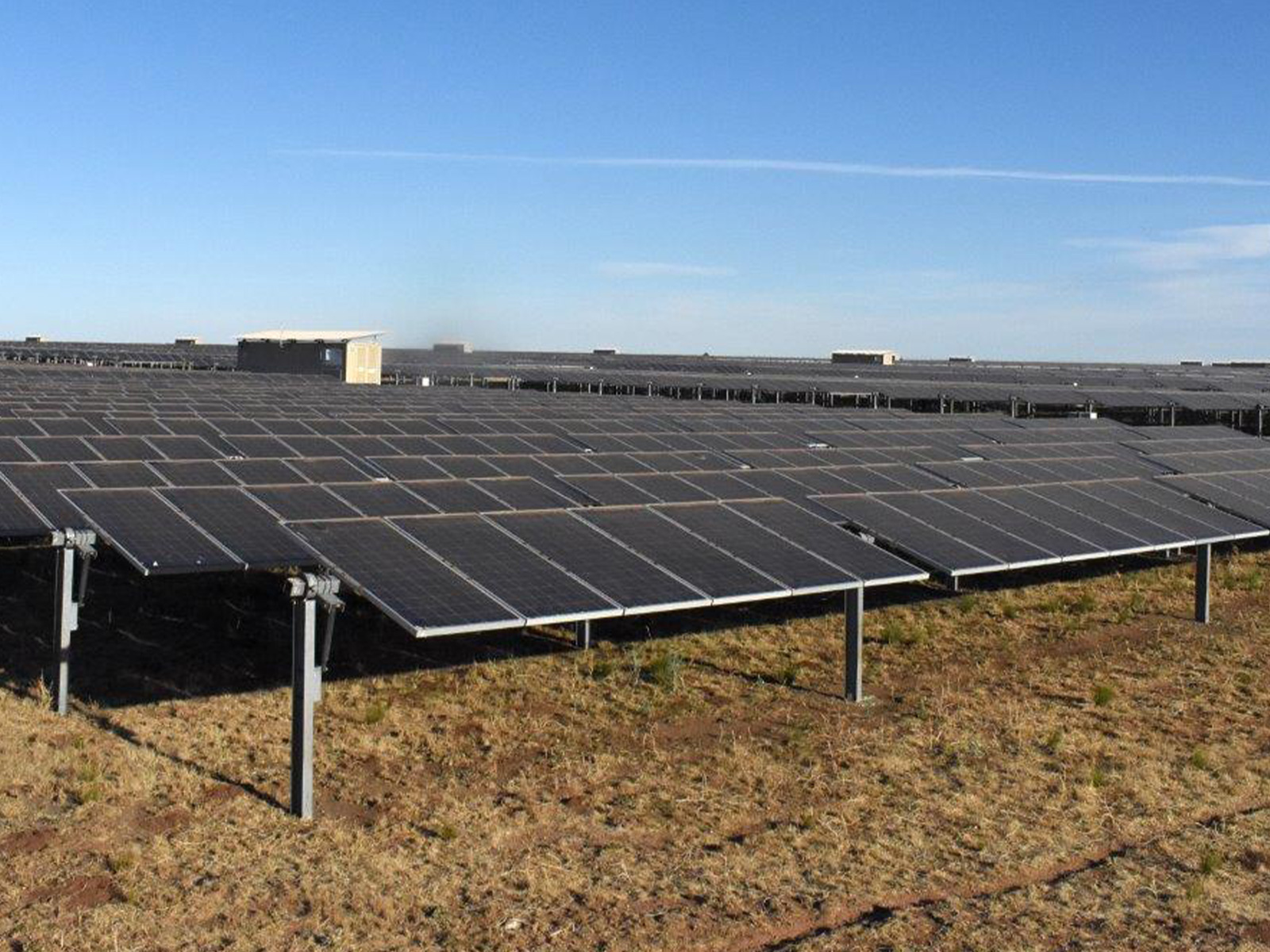
Globeleq operates 13 solar power plants in South Africa, Egypt, Kenya, Mozambique and Zambia, providing reliable, low-carbon electricity to utilities, businesses and communities. As one of Africa’s leading independent power producers, we continue to invest in solar energy as a key part of the continent’s energy transition, helping to strengthen energy security, support economic growth and expand access to clean power. The sun provides an abundant source of renewable energy, and solar photovoltaic (PV) technology converts this resource into electricity that can be used by homes, businesses and industries.
Solar power offers a scalable, cost-effective and emissions-free source of energy that can be deployed across a wide range of environments. With Africa benefiting from some of the world’s strongest solar resources, the technology has an important role to play in delivering reliable electricity and supporting the continent’s long-term sustainable development.

Wind

Wind energy plays an important role in Globeleq’s renewable energy portfolio and our strategy to deliver reliable, low-carbon electricity across Africa. Globeleq operates the 138MW Jeffreys Bay Wind Farm and the 27MW Klipheuwel Wind Farm in South Africa, with additional wind projects under development in Mozambique and Zambia.

As electricity demand grows across the continent, wind energy offers a clean, cost-effective power source that can complement solar, battery storage and other generation technologies. Globeleq is actively developing new wind opportunities in markets with strong wind resources and favourable conditions for long-term investment, including the Namaacha and Manhiça wind projects in Mozambique and the Mpika Wind Project in Zambia.

The performance of a wind farm depends on local wind conditions, making site selection a critical part of project development. Wind speeds, topography and environmental considerations are carefully assessed to identify locations where turbines can operate efficiently and reliably over the long term.

By combining operating wind assets with a growing development pipeline, Globeleq is helping to increase the supply of clean energy across Africa while supporting economic development, energy security and the transition to a lower-carbon future.

HFO

Globeleq’s peaking Dibamba Power Plant operates on Heavy Fuel Oil (HFO) 

An HFO power plant is a combustion engine that uses HFO as the primary fuel (sometimes using light fuel oil (LFO) as backup fuel), generators and the auxiliary equipment needed for power production.

The engine and the generator together constitute a generating set. The auxiliary equipment is mainly mounted on modular units. The engines have closed-circuit cooling water systems with cooling radiators installed outside the powerhouse.

The thermal engine converts thermal energy produced by the combustion of a mixture of air and HFO/diesel supplied in volumes, temperatures and pressures controlled by a semi-automated servo system into mechanical power.

This power is transmitted using the engine’s shaft and converted into electrical energy by a three-phase synchronous generator.

Hydro

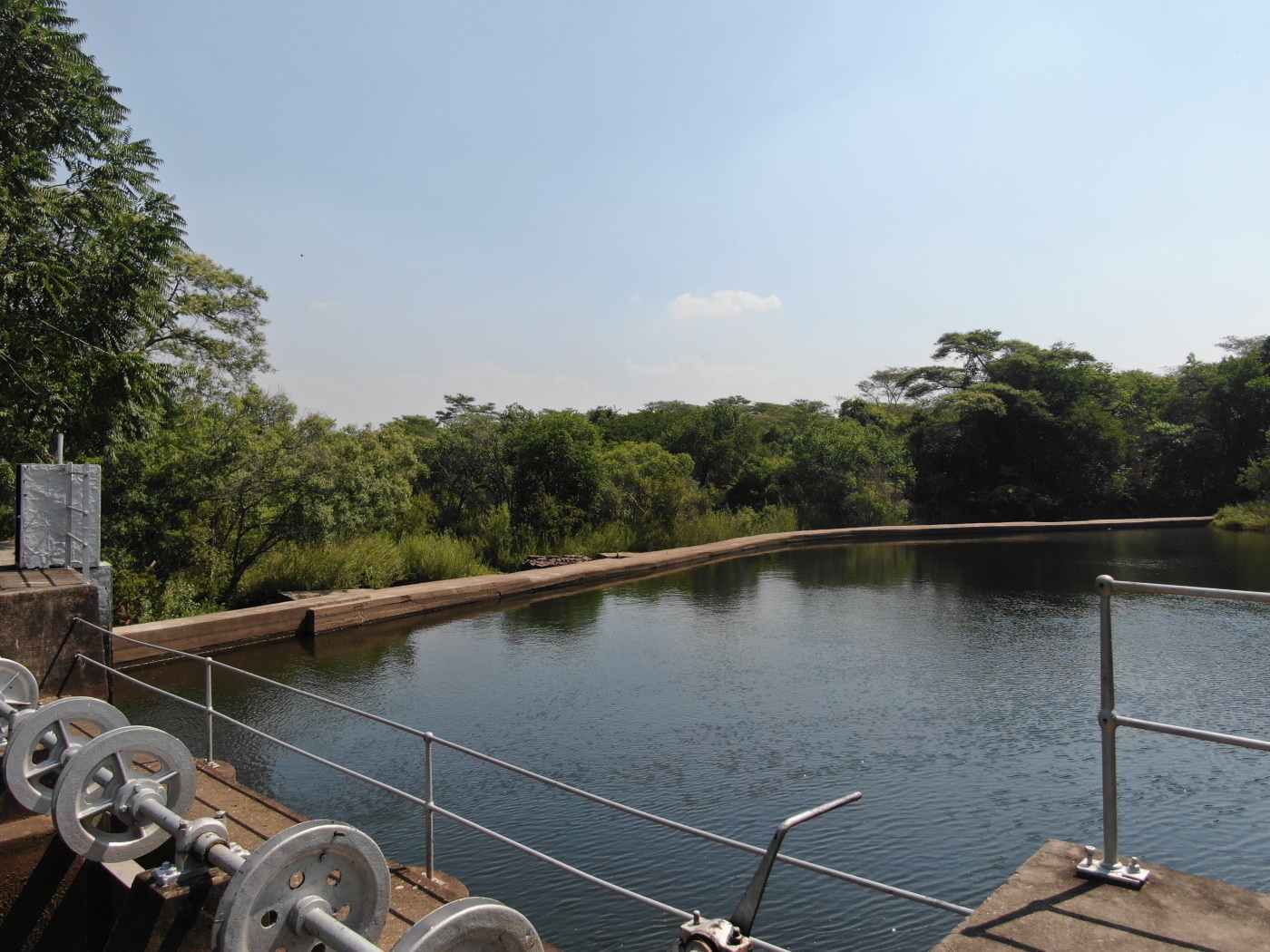
Through its majority owned Lunsemfwa Hydro Power Company Limited, an independent hydro-electric power producer based in Kabwe, Zambia, it has two power stations – the Mulungushu Power Station and Lunsemfwa Power Station.

These hydro plants use a simple form of hydropower technology in that they rely on water stored behind a dam or flowing in a river to move through large pipes which spin turbines connected to generators. As the moving water turns the turbines, the generators convert that mechanical energy into electricity, which is then sent to the grid. In short, they use the natural force of falling or fast‑moving water to produce clean, renewable power with no fuel burning involved.

Geothermal

Globeleq is constructing its first geothermal plant at Menengai in Kenya

Geothermal power plants generate electrical energy by the use of  the Earth’s core internal thermal energy called geothermal energy in a known geothermal reservoir.

Flash steam plants are the most common type of geothermal power plants in operation today and is the same technology as Globeleq’s Menengai 35 MW geothermal plant currently in construction.

Pressurized high-temperature water drawn from a production well drilled into a known geothermal reservoir beneath the surface (to a depth of 3 km) to containers at the surface, (flash tanks), where the sudden decrease in pressure causes the liquid water to “flash,” or vaporise, into steam. The steam is then allowed to expand rapidly and provide rotational or mechanical energy to turn the turbine- generator set in the plant to generate electrical energy.

The generated electrical energy is then transmitted over transmission and distribution power lines to homes, buildings, and businesses.

After the vapour passes through the turbine, it is condensed and piped back to an injection well to return the used geothermal fluids back to the geothermal reservoir after energy extraction. Re-injection is done for environmental considerations including benefits to the geothermal reservoir by maintaining reservoir pressure.

Geothermal energy is a renewable energy source because it comes from earth’s core which continuously produces heat stored in rocks and fluids.

Hybrid

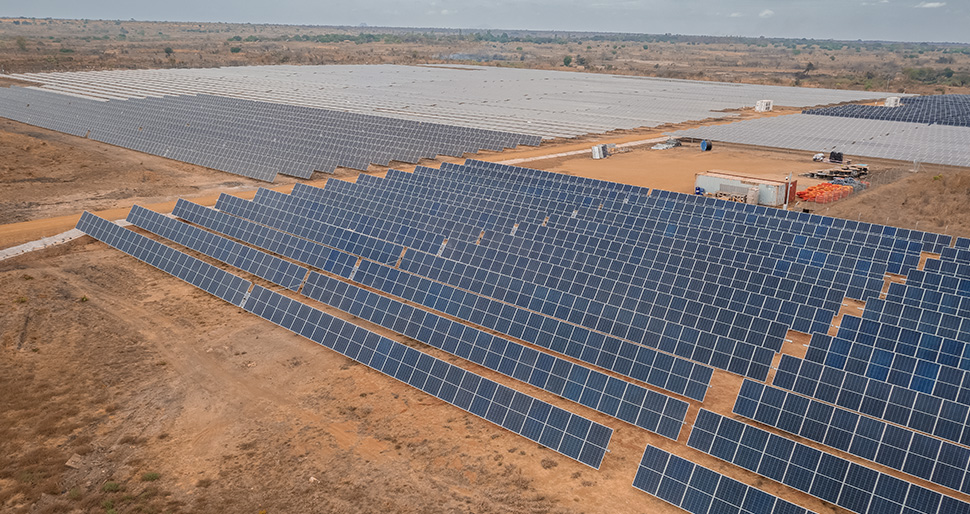
Globeleq operates the 19MW solar and 7MWh battery storage Cuamba plant in Mozambique and is developing hybrid renewable energy projects that combine solar generation and battery energy storage to deliver reliable, flexible power across Africa.

Renewable hybrid technology combines two or more complementary generation or storage technologies, such as solar, wind and battery energy storage, into a single integrated system. By balancing renewable generation with energy storage, hybrid projects can deliver more reliable and predictable power, helping to reduce intermittency while maximising the use of clean energy.

This approach improves grid stability, increases the value of renewable generation and enables electricity to be supplied when it is needed most. As renewable energy deployment accelerates across Africa, hybrid projects will play an increasingly important role in strengthening energy security and supporting the transition to a lower-carbon future.

Battery Energy Storage

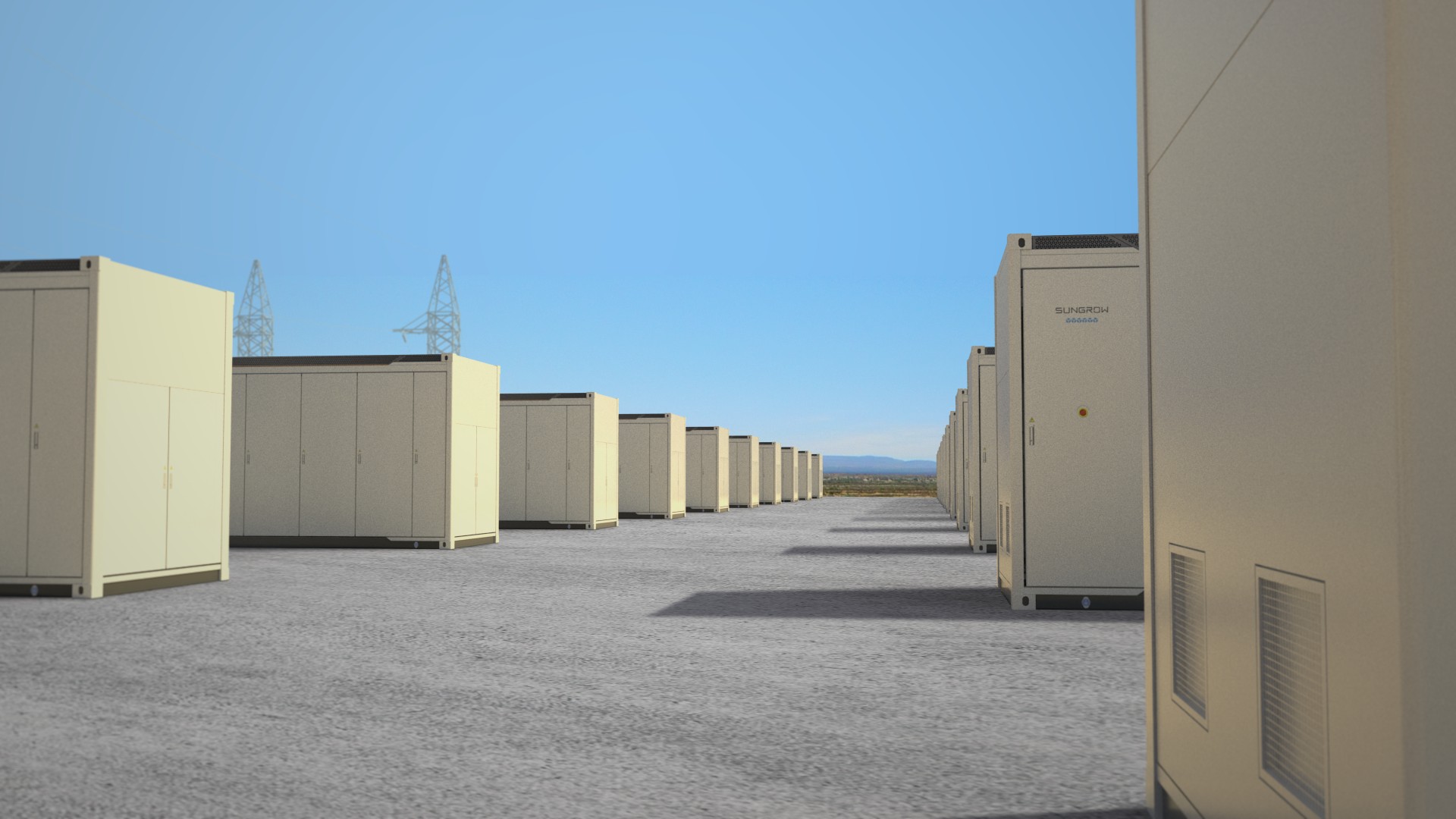
Globeleq is constructing the 153MW/612MWh Red Sands Battery Energy Storage Project in South Africa, one of the largest standalone battery energy storage projects on the continent.

Battery energy storage systems are becoming an essential part of modern power networks, helping to balance electricity supply and demand while supporting the growing integration of renewable energy. As more wind and solar generation is added to the grid, energy storage provides the flexibility needed to maintain a reliable and resilient electricity system.

Battery storage can absorb, store and dispatch electricity when it is needed most. This includes storing excess renewable energy for later use, supporting grid stability, managing fluctuations in supply and demand, and helping network operators maintain a secure and efficient power system. As Africa’s energy transition accelerates, battery storage will play an increasingly important role in enabling reliable, low-carbon electricity.

Gas

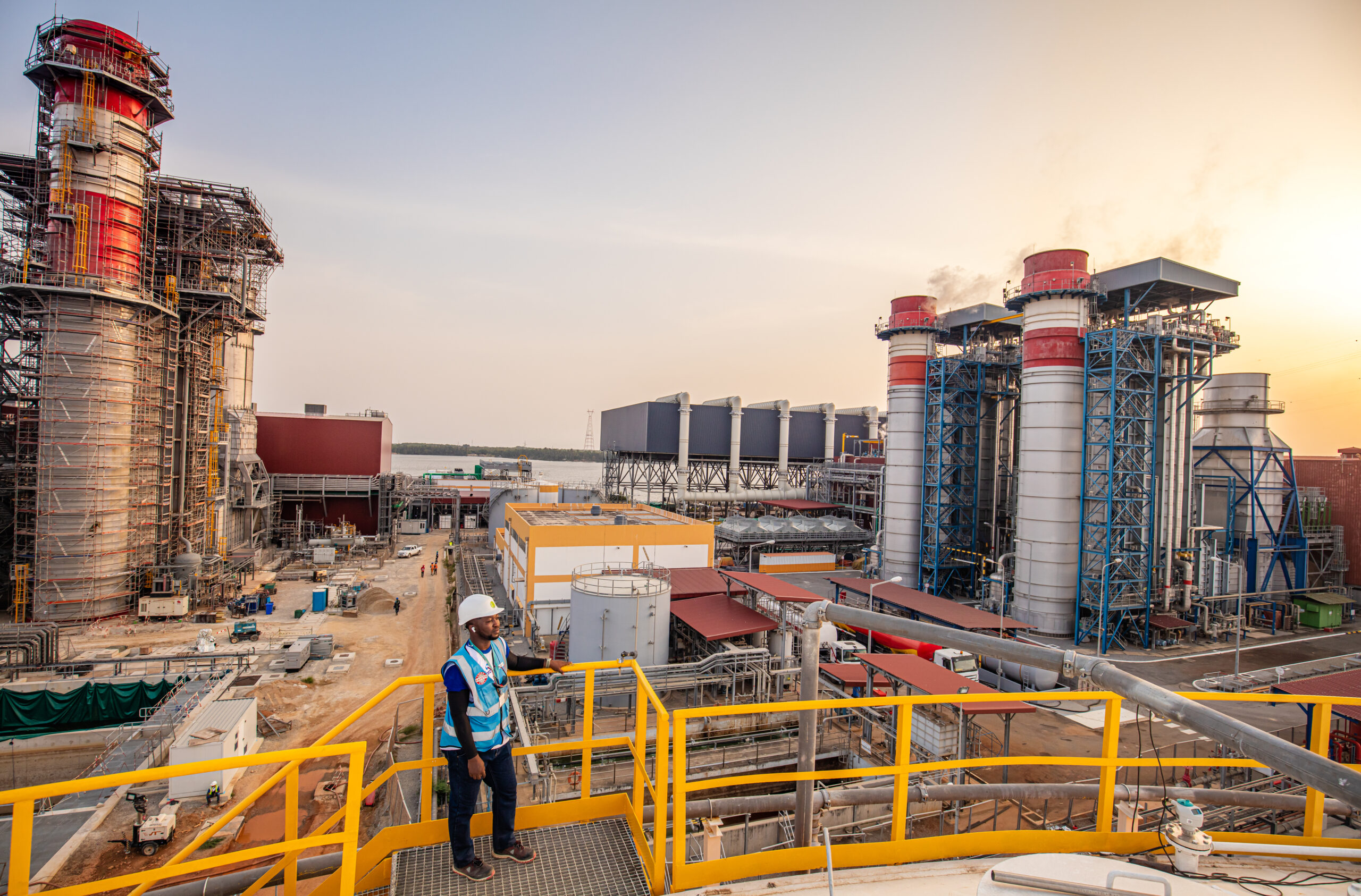
Globeleq is a leader in gas-fired generation in Africa. Azito and Kribi Power use natural gas to produce electricity. In Mozambique we are constructing the Central Termica de Temane 450MW plant.

A gas turbine compresses air and mixes it with fuel in the combustion chamber. The air/fuel mixture is burned in the combustion chamber at high temperatures. The hot exhaust gases are expanded through the turbine blades, making the rotor turn and drive the compressor and the generator. This generates electrical energy by transforming the rotating mechanical energy.

Gas turbines:

  • Can supply reasonably large amounts of power compared to their size (high energy density).
  • Have a long life with low maintenance cost per MWh generated.
  • Can be brought online to peak production levels in a relatively short time (less than one hour)
  • Use a wide range of fuels but have more severe constraints on impurities.

Combined cycle gas turbines

A combined-cycle power plant uses gas and steam turbines to produce up to 20 percent more electricity from the same fuel than a traditional open-cycle gas turbine plant. The waste heat from the gas turbine is used to generate steam for a steam turbine, which generates extra power.

The gas turbine compresses air and mixes it with fuel in the combustion chamber. The air/fuel mixture is burned in the combustion chamber at high temperatures. The hot exhaust gases are expanded through the turbine blades, making the rotor turn and drive the compressor and the generator. The generator thus generates electrical energy by transforming the rotating mechanical energy. The heat from the exhaust gases of the gasturbine(s) is then used to generate steam in a so-called Heat Recovery Steam Generator (HRSG).

The steam from the HRSG is expanded in the turbine, and its generator converts the mechanical energy into electrical energy. The electrical energy from all generators is passed through the main transformers before being delivered to the electrical transmission network.

Aeroderivative gas-fired turbines

Aeroderivative gas-fired turbines are lighter in weight than classic gas turbines and have been derived from aircraft engines. They have the same working principle as standard gas turbines and can be used in open or combined-cycle processes.

Natural gas-fired reciprocating engines

Natural gas-fired reciprocating engines are also commonly known as combustion engines. They convert the fuel energy to mechanical energy, which rotates a piston to generate electricity.